.png)
.jpeg)
What is a PET Scan for Brain?
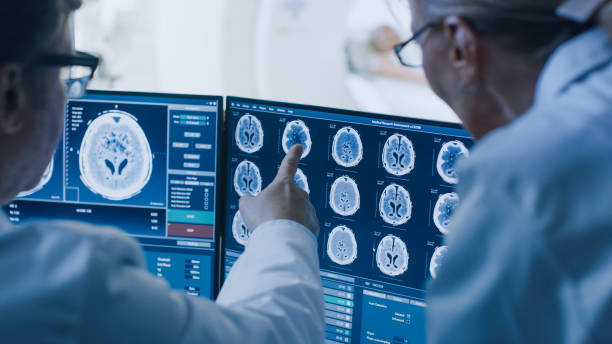
A PET Scan for Brain (Positron Emission Tomography) is a nuclear imaging test that reveals how tissues and organs are functioning at the molecular level. Unlike CT or MRI scans, which provide structural information, a brain PET scan shows how your brain is working. This can be critical in diagnosing early-stage Alzheimer’s disease, Parkinson’s, brain tumors, epilepsy, stroke damage, and more.
Advanced PET Scan for Brain – Accurate, Early Detection of Neurological Disorders
A PET Scan for Brain is a highly advanced imaging technique that allows for early detection and monitoring of various neurological disorders. Whether you’re facing symptoms of memory loss, seizures, or unexplained headaches, a brain PET scan can offer life-changing insights. Read on to learn how a PET scan for brain works, what conditions it detects, and why it can be a crucial tool in diagnosis.
Conditions Detected by PET Scan for BrainUsing specialized radiotracers, a PET scan of the brain can detect changes in brain activity long before anatomical changes appear. This is particularly valuable in the diagnosis and monitoring of:
- Alzheimer’s Disease and Dementia
- Brain Tumors and Metastasis
- Parkinson’s Disease
- Epilepsy & Seizure Focus Localization
- Depression & Psychiatric Disorders
- Traumatic Brain Injury
- Stroke Recovery Assessment
How Does a PET Brain Scan Work? The procedure involves the injection of a small amount of radioactive glucose into the bloodstream. Brain cells that are more active will absorb more of this tracer, allowing scanners to produce detailed images of metabolic activity.
PET Scan for Brain
A PET brain scan enables early diagnosis, accurate localization, and treatment monitoring for conditions like dementia, tumors, seizures, and chronic headaches. It is non-invasive, safe, and highly precise, making it essential for patients with memory loss, personality changes, unexplained seizures, or suspected brain cancer.
PET scans can detect changes in brain activity, aiding in the diagnosis of conditions like Alzheimer’s disease, epilepsy, and Parkinson’s disease. This is another example of how PET scan can save lives by identifying neurological disorders before they progress.
Frequently Asked Questions (FAQs)
How long does a brain PET scan take?
The entire process takes around 1.5 to 2 hours, including preparation and scanning.
Is a PET scan of the brain painful?
No, the scan is painless. You may feel a slight pinch during the radiotracer injection.
How safe is the PET scan?
PET scans are generally safe with very low levels of radiation. The radiotracer exits the body within a day.
Can a PET scan detect brain cancer?
Yes. A PET scan for brain tumor can help detect, stage, and monitor brain cancer effectively.
.png)