.png)
Role of PET Scan in Head and Neck Cancer Diagnosis
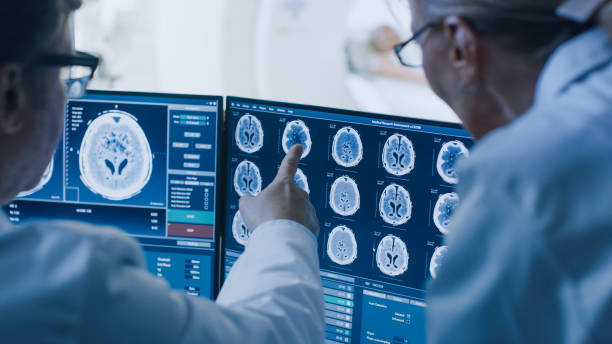
Early detection and accurate staging are critical in treating head and neck cancers, which often occur in the throat, larynx, nose, sinuses, and mouth. These cancers are often difficult to detect early due to subtle symptoms. A PET scan plays a vital role by identifying tumors at an early stage, distinguishing benign from malignant growths, assisting in treatment planning, monitoring therapy effectiveness, and detecting recurrence.
What is a PET Scan?
A PET scan (Positron Emission Tomography) is an advanced molecular imaging technique that shows how tissues and organs are functioning at the cellular level. Unlike traditional scans that only show structure, PET scans highlight metabolic activity of cancer cells, which helps in detecting disease earlier and with greater accuracy. Using a small amount of radiotracer, PET scans provide detailed insights into cancer behavior, guiding doctors in making precise treatment decisions.
Benefits of PET Scan in Head and Neck Oncology Using specialized radiotracers, a PET scan of the brain can detect changes in brain activity long before anatomical changes appear. This is particularly valuable in the diagnosis and monitoring of:
- Early Detection: Identifies abnormal cell activity before visible changes appear.
- Accurate Staging: Determines how far cancer has spread.
- Personalized Treatment: Helps doctors tailor therapies based on tumor activity.
- Therapy Monitoring: Evaluates how well chemotherapy or radiation is working.
- Recurrence Check: Detects if cancer has returned after treatment.
- Additional Advantages: Non-invasive, highly precise, reduced need for exploratory surgery, and safer with minimal radiation exposure.
What is Molecular Imaging?
Molecular imaging is an advanced diagnostic technique that allows physicians to visualize biological processes at the cellular and molecular levels inside the body. Unlike traditional imaging methods, molecular imaging focuses on the functionality and metabolism of tissues, providing more precise and early detection of cancerous activities.
Frequently Asked Questions (FAQs)
What makes molecular imaging different from traditional imaging techniques?
Molecular imaging focuses on functional processes and metabolic activity rather than just anatomical structures, allowing for earlier and more accurate cancer diagnosis.
Is molecular imaging safe for repeated use?
Yes, molecular imaging generally uses safe doses of radiotracers and has a lower radiation risk compared to many conventional scans.
Can molecular imaging help in treatment planning?
Absolutely. It offers detailed information about tumor activity, helping doctors decide on the most effective therapy options.
.jpeg)
.png)